

How to Research Lost Treasure in UK Archives: A Step-by-Step Guide
A practical, step-by-step guide to tracing lost treasure through UK archives, from tithe maps and wills to record offices and search-room technique.
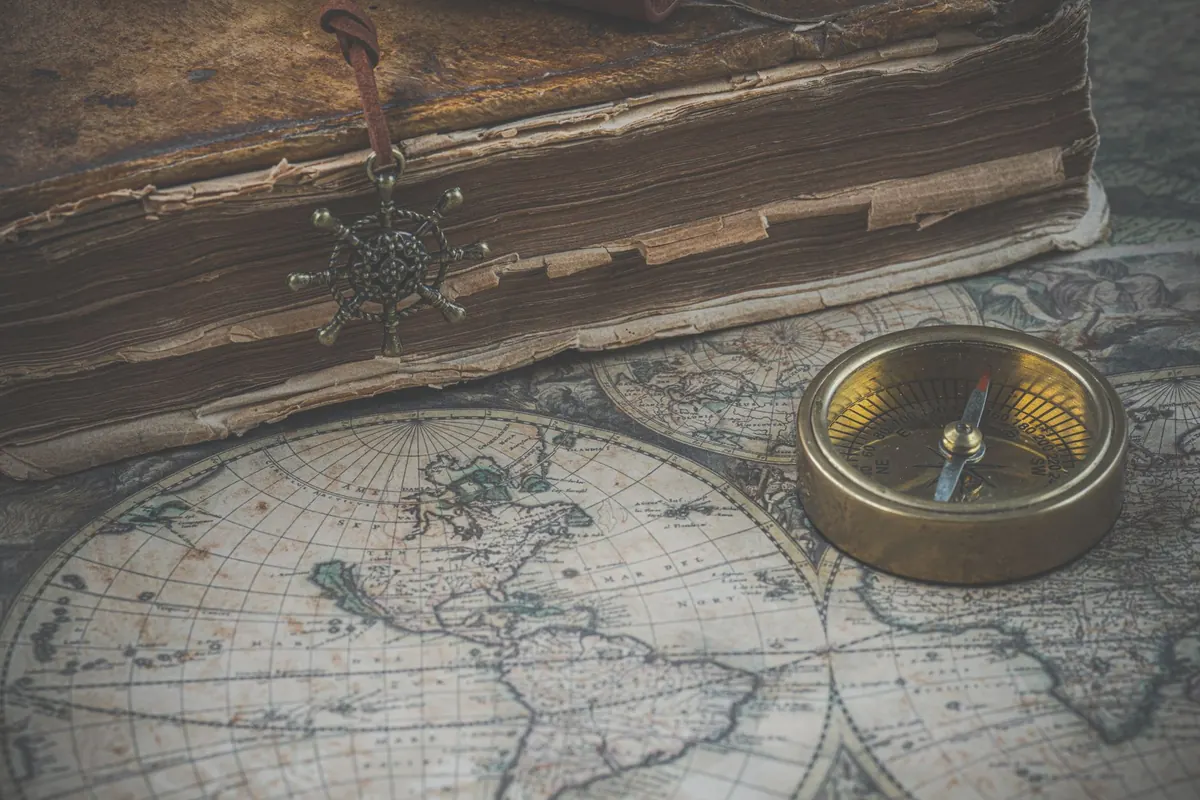
Every lost treasure in Britain starts life as paperwork. A farmer's hoard buried beneath a field gate in Norfolk, a cargo lost off the Welsh coast, a coin collection that slipped out of a family between two house moves — all of them left a trace in the records long before anyone thought about digging. Archives are not a romantic detour from the hunt; they are the hunt. What follows is the route most researchers end up taking, in roughly the order that saves the most time.
Start With a Story You Can Check
"Roman gold in Yorkshire" is not a research question, it is a wish. Turn it into something an index can answer. Who owned the land in the relevant decade? What was actually lost — plate, coin, bullion, a sealed box of documents? When did it disappear, or when was it last recorded as present? Write one paragraph of what you already know, then separate what is documented from what is family legend. Local historians are often excellent here: a parish magazine article from 1954, or a note in a village history, can hand you a name and a date that unlocks three archives in an afternoon.
Maps Before Anything Else
Maps are free, quick, and they tell you whether a story is even physically plausible. Start with the tithe maps and apportionments of the 1840s, which name fields, owners and occupiers. Add enclosure awards, estate maps, and the Ordnance Survey's early large-scale sheets — the six-inch and twenty-five-inch series — then work forward through later revisions.
Two habits repay the effort. First, look for what has vanished: a pond filled in during the 1930s, a lane rerouted, a garden wall that once enclosed an orchard. Second, compare sheets at the same scale from different decades, so a change in field boundaries stands out rather than blends in.
Useful starting points
- National Library of Scotland's online map collections, which cover the whole of Britain.
- A Vision of Britain Through Time for historic maps tied to place descriptions.
- Britain from Above for aerial photography from the mid-twentieth century.
- Your county's Historic Environment Record, which lists known sites and finds.
Wills, Inventories and Newspapers
Wills are where objects become named. Before 1858, probate ran through church courts, so documents are scattered between county record offices and The National Archives; after 1858, a central probate service holds copies and can be searched by name and year. Watch for inventories in particular — the room-by-room lists drawn up by appraisers. A "strong box", "plate", "a chest of old coins" or "books in the study" is a starting point, not an answer, but it tells you what existed and who held it.
Newspapers fill the gaps. Local titles reported auctions, burglaries, inquests, bankruptcies and the occasional discovery of something odd in a field. The British Newspaper Archive and many local studies libraries provide access; some libraries offer free terminals, so ask before you pay for a subscription. The Gazette carries legal notices. Coroners' records, insurance policies and solicitors' collections are more work to find, but they regularly contain the one detail nobody else wrote down.
Where the Records Actually Live
Most researchers lose weeks by looking in the wrong building. A rough map:
- The National Archives at Kew — central government, courts, and many large family and estate collections.
- County and city record offices — parish records, estate papers, solicitors' archives, local maps.
- Local studies libraries — newspapers, photographs, sale catalogues, oral history recordings.
- National Library of Scotland and National Library of Wales — manuscripts, maps and estate plans.
- University special collections — antiquarian correspondence and unpublished research.
- Local authority Historic Environment Records — known archaeology and reported finds.
Check online catalogues before travelling. Many offices require a reader's ticket with photo identification, and off-site stores mean items must be ordered days or weeks in advance. A phone call or email to the archivist, explaining your question in two sentences, is rarely wasted.
Searching a Catalogue Properly
Keyword searching alone produces either nothing or everything. Search by place name first, then by person, then by subject. Try spellings your ancestor would not have recognised — "Smyth", "ffrench", "Cholmondeley". Browse the collection hierarchy rather than jumping to item level; a box described only as "miscellaneous estate papers" can be the best find of your year. Always note the full reference number, because you will need it to order the document and to cite it later.
Keep a research log, whether on paper or in a spreadsheet. Record the date, repository, reference, what you found and what you did not. Negative results matter: knowing that a sale catalogue does not mention the silver saves you from ordering it twice. Photographs of documents are usually permitted for private study, but ask first, and never assume you may publish an image.
The Rules Before You Look in the Ground
Records can lead you to a place, but they do not give you permission to dig it. In England, Wales and Northern Ireland the Treasure Act 1996 governs the reporting of certain finds, while Scotland works under a separate system of treasure trove. The rules differ between the four nations and can change, so check current guidance from the relevant heritage body before you pick anything up, and report potential treasure promptly through the proper channel.
Metal detecting on private land needs the landowner's permission. Scheduled monuments are protected, and detecting on or disturbing one without consent is an offence. Many beaches are privately or Crown owned, with permits and excluded areas. If a find might be archaeological, stop and seek advice rather than lifting it; context is evidence, and once it is gone it cannot be recovered. For anything contentious, take proper legal advice rather than relying on a forum post.
What to Do With What You Find
Finish the job. File your notes where you can find them in a year, with the repository name, reference and date of each search. Tell the record office or library what you were looking for and whether you found it — that knowledge helps the next researcher. If you have permission, offer copies of useful photographs or transcripts back to the archive. Share a clear summary with your local history society, and resist the temptation to overstate what a document proves.
Most searches end not with a chest of gold but with a better question, and that is a perfectly good result. Archives reward patience, precise references and a willingness to follow an unglamorous paper trail wherever it leads. Start with one place, one name and one date, and let the records do the rest.
Photo: Ylanite Koppens / Pexels